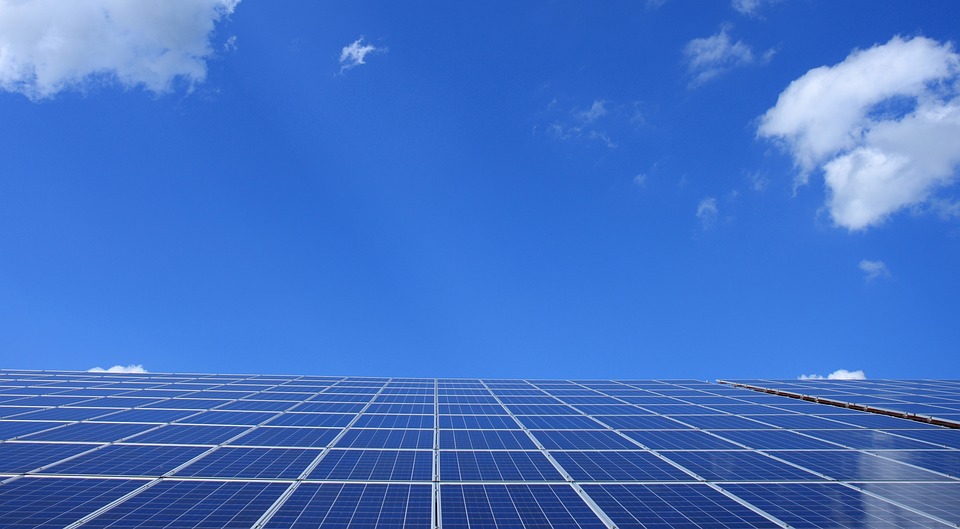
One of the things I am becoming more and more of an advocate for is clean energy. Although there are many pros and cons to clean energy which I am not going to go into in this post, I myself have invested in residential solar panels which I have had installed on my roof.
Here are some of the things to think about when considering solar panels and what I learned from getting them installed.
First things first I must tell you that I live in Southern Utah and my power company is Rocky Mountain Power so if you live outside of Utah or have a different power company then your experience will differ.
How did I get Solar?
Around the first part of 2016 a sales person knocked on my door. A relative has had solar for a few years prior and so I had already know a little bit about the system. So I set up a time for the sales person to come give his sales pitch.The quote!
As part of the sales pitch they ask you for your electrical history. When I got my system installed 1 year of history was required. I believe that has changed to 1 month now.The sales person then sent off the information and returned to us in a few days with a quote.
I was then given a proposal which I signed and set up financing. I also signed an agreement with the Rocky Mountain Power called a net metering agreement. I will discuss this more later.
How much was it and how do you afford it?
Due to prices constantly changing I do not want to give specifics here but the price was reasonable. Solar is expensive but there where a few things that helped.
First I was able to finance the install for a period of time. The finance company was Dividend Solar. They had reasonable rates and offered an extended warranty on the panels/hardware.
Additionally there where and are tax incentives where I was able to get 3o% back for the federal government and $2000 from the state of Utah. **Note that the tax incentives are going to change and these values may not be the same for you.
How was the install?
Once I signed the proposal a few things happened.- A installer came to review the site and draw up the plans. This included checking for any trees in the way and checking the condition of your roof.
- The plans where sent to my local city along with to Rocky Mountain Power.
- After all plans are approved which takes about 1 month then a install date is set.
- On the install day a group of people will come and install the panels/inverter/ and other hardware.
- Once it installed the system had to be inspected by the city and by Rocky Mountain Power.
- Rocky Mountain Power also switched my power meter to a Net Metering Meter to track how much power I give to them from my system and how much power I use. More details on this below.
- The system is turned on.
This whole process took about 3 months. Some install companies can do it faster.
How much do I save?
I have since had the system for 15 months now. Currently I pay about $9 a month for the Rocky Mountain Power line fee. I have had a larger bill in December and January which is to be expected with Utah weather, and that bill was about half of the previous year.
Common Questions
What is a net metering agreement?
A net metering agreement is a signed agreement between me and the power company. Because I am not generating power during the night I have to be connected to the power grid or get a house battery. On the other hand I generate a lot of power during the day but I dont use as much as I make so I sell that back to the power company. The amount I sell back is called my netted power. Then when I need power at night it is taking value away from my netted power. My net metering agreement gives my 100% back. However this differs by state and Rocky Mountain Power is working on changing that percentage. As of writing this post the percentage is still 100%.Also once a year my netted power resets back to 0. This usually happens around March.
This agreement also required me to install power only up to what I use which is why a history of power usage is needed. If I get a system bigger then what I use then Rocky Mountain Power will not match the extra.
What is installed?
My install includes a set of solar panels, a power inverter, a solar disconnect and a emergency power outlet.What about a wall battery?
Wall batteries are a great idea. They allow you to go 100% off the grid if you would like. However when I installed the technology was rather new and still improving. In a few years I may consider adding one to my system.Why did you not get Solar Shingles?
I think solar shingles are awesome. They where not even announced yet when I installed solar on my house. They are also slightly more expensive.
The current cost estimate is the cost of a new set of shingles plus the cost of solar. However at the time of this artical this product is not yet on the market.
Can I add to the system once it is installed?
Yes, you can add more panels, a wall battery, basically what ever you want. Is it worth it?
I felt like it was for me but that is something you will have to decide for your self.Will the panels get old?
The panels have a 30 year life span so they will get old and eventually become less productive.
Does the solar technology improve?
Yes, there are already more effective and efficient panels on the market, and as solar cost decreases this will become more and more true.
What if I need to replace Shingles?
When you need to replace your shingles the recommended procedure is to call a solar installer who will remove, store, and re-install the panels for you.Additional Thoughts
Emergency Outlet
My system has an emergency outlet. In case of a power outage I am to disconnect my system from the power grid using the disconnect on my system. Then if it is sunny and the panels are producing power I can plug in a Fridge, Freezer, or Microwave and run them directly off of the solar panels. This depends on the time of day.This is not a common feature so make sure you request it.
So thats my experience with solar.
Do you have any questions that I missed?

